
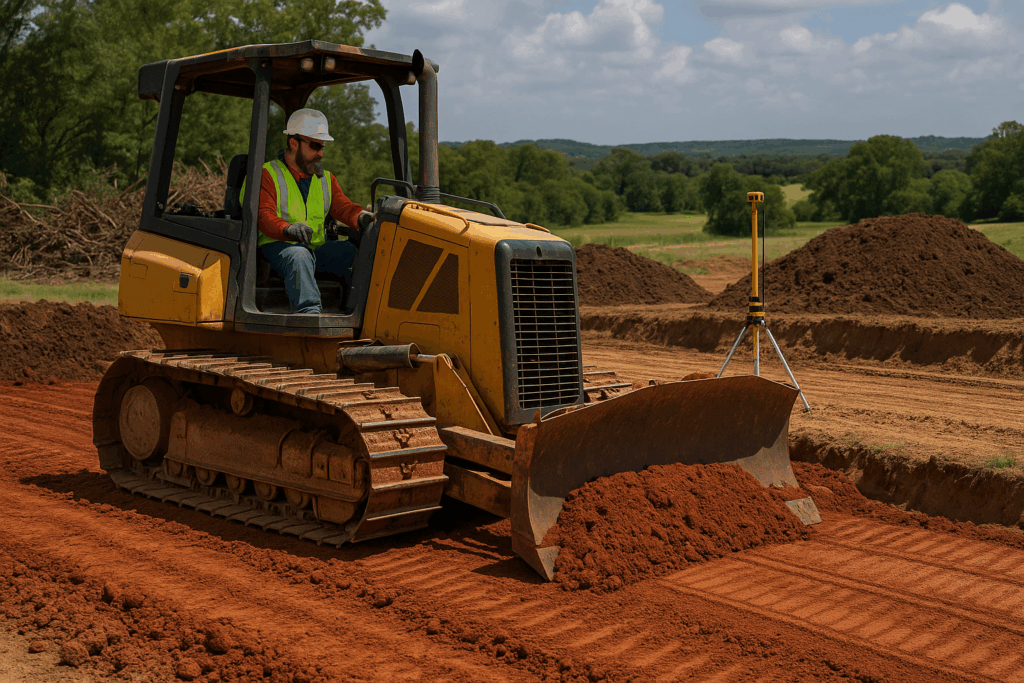
Why Your Dirt Work Contractor Matters More Than You Think
When we look at any successful building project in Palestine TX, one pattern always shows up: the dirt work was done right from day one. Strong concrete, straight walls, smooth driveways, and dry foundations all depend on what happens with the soil before a single form board or piece of rebar is set. If that dirt work is rushed, guessed at, or done by the lowest bidder, problems will surface later—often when they’re most expensive to fix.
We’ve seen jobs where beautiful homes and shops start cracking, shifting, or flooding simply because the ground wasn’t prepared correctly. On the other hand, when an experienced dirt work contractor lays a solid foundation, the rest of the project flows smoother, stays on budget better, and holds up for decades. That’s why we believe choosing the right dirt work contractor in Palestine TX can literally make or break your building project—and why it deserves just as much attention as picking your builder, architect, or lender.
How Quality Dirt Work Sets the Stage for a Solid Project
When we talk about “dirt work,” we’re talking about more than just moving soil around with dozers and excavators. Quality dirt work is a combination of planning, surveying, drainage design, grading, compaction, and access preparation. In Palestine TX, with our rolling terrain, clay-heavy soils, and sudden heavy rains, getting this phase right is critical.
From Raw Ground to Build-Ready Pad
The first thing we focus on is turning raw land into a build-ready site. That means:
– Clearing brush, trees, stumps, and debris safely
– Stripping and stockpiling topsoil for later re-use
– Rough grading the site to match the building plan
– Cutting and filling to establish proper pad elevation
– Compacting soil in thin lifts to engineer specifications
On a house pad, for example, we want a firm, level surface that sheds water away from the foundation. In Palestine TX, it’s common to see low spots that turn into mud holes or ponds after a rain. If a pad is set too low or on poorly compacted subsoil, you can end up with:
– Foundation settling or cracking
– Slab heaving as clay expands and contracts
– Standing water against the building
– Driveways and sidewalks shifting or breaking
By taking the time to evaluate soil conditions and elevation before we start, we can build a pad that supports the structure instead of fighting it.
Drainage, Erosion, and Long-Term Stability
The other major part of dirt work that people often underestimate is drainage and erosion control. We’ve learned the hard way that a beautiful building doesn’t mean much if water is constantly trying to get inside or wash the yard away.
Good dirt work includes:
– Establishing the right slope away from the structure (typically at least 5% for the first several feet)
– Creating swales or ditches to move water safely
– Planning culverts and driveway crossings where needed
– Compacting slopes to resist erosion
– Using rock, riprap, or vegetation on vulnerable areas
In Palestine TX, our red clay and sandy soils both behave differently when wet. Clay can hold water and swell, while looser soils can wash out quickly on steeper grades. That’s why we pay attention not only to where the water goes during a normal light rain, but also where it will go in a big storm.
When the dirt work is done right:
– Your foundation stays drier and more stable
– Your yard and driveway don’t wash out
– You avoid constant “band-aid” fixes like extra loads of gravel
– Your site looks cleaner and more finished from day one
We’ve found that a few extra hours spent on planning slopes and drainage during the dirt work phase can save you thousands of dollars in repairs and headaches down the road.
Key Skills and Services the Right Dirt Work Contractor Should Offer
Not all contractors who run a dozer or skid steer are truly dirt work specialists. When we take on a project, we see ourselves as the team responsible for what everything else will rest upon. That mindset shapes the skills and services that matter most when you’re choosing a dirt work contractor in Palestine TX.
Site Evaluation, Planning, and Communication
Before we ever unload equipment, we walk the site with you and, if possible, with your builder or engineer. A good dirt work contractor should:
– Read and understand your site plans, elevations, and surveys
– Ask questions about the structure, traffic, and drainage needs
– Identify potential problem areas like low spots, soft soils, or steep banks
– Explain what will be required in plain language so you know what you’re paying for
We always encourage property owners in Palestine TX to expect more than just, “We’ll flatten it out for you.” Your contractor should be able to describe:
– How high the pad will be above surrounding grade
– Where water will flow during heavy rain
– What type of compaction and fill materials will be used
– Any potential need for select fill, lime stabilization, or geotextile fabrics
Clear communication up front prevents misunderstandings, change orders, and surprises when the bill arrives.
Proper Equipment, Methods, and Local Experience
Dirt work is one area where the right equipment truly matters. We match the machine to the job:
– Dozers for heavy cutting, shaping, and large pads
– Excavators for ditches, culverts, ponds, and deep cuts
– Skid steers for finish grading and tighter areas
– Compaction equipment (rollers, plate compactors, tampers) for solid pads and drives
– Laser or GPS grading tools for precise elevation control
But equipment alone isn’t enough. In our area, local experience is just as important. A contractor who has spent years working in and around Palestine TX will understand:
– How local clay expands, shrinks, and holds water
– Which areas tend to be rocky, soft, or flood-prone
– Typical requirements from local builders and inspectors
– Seasonal weather patterns that affect scheduling and compaction
The right contractor knows when the ground is too wet to compact properly, when topsoil needs to be undercut, and when a project might need additional drainage structures. Cutting corners on these details doesn’t always show up immediately, but it will show up over the life of the building.
Services You Should Expect from a Full-Service Dirt Work Contractor
We’ve structured our dirt work services to cover everything needed to get from raw land to a build-ready site. A strong contractor in this field should comfortably offer:
– House, shop, and barn pads
– Road and driveway construction and graveling
– Culvert installation and drainage improvements
– Pond building or reshaping (where permitted)
– Land clearing and stump removal
– Ditch cutting and erosion control
– Demolition and site cleanup for rebuilds
When you can keep all these tasks under one experienced team, coordination becomes much simpler. You’re not trying to juggle separate clearing, grading, and driveway contractors, each blaming the other if something isn’t right. Instead, one dirt work team takes responsibility for the whole ground phase, from first cut to final grade.
Common Dirt Work Mistakes That Cost You Big Later
We’ve been called out more than once to fix problems that started with poor dirt work. Most of these issues aren’t obvious to the untrained eye during construction, but they show up a year or two later—long after the contractor has left the site. Knowing these common mistakes can help you avoid choosing the wrong dirt work contractor in Palestine TX.
Improper Pad Height, Slopes, and Compaction
One of the top mistakes we see is pads built too low or too flat. When a pad sits close to the existing ground level, there isn’t enough fall for water to run away from the building. This can lead to:
– Water pooling around the foundation after heavy rains
– Moisture wicking into slab edges or crawl spaces
– Standing water against skirting or siding
We prefer to build pads with enough elevation and slope to keep water moving. That usually means bringing in fill or re-grading more of the surrounding area. It can feel like extra expense up front, but it protects your investment for the long term.
Compaction is another area where shortcuts happen. If a contractor simply dumps fill and drives over it a few times with a loader or truck, you may end up with:
– Soft spots under your slab
– Cracks in drives and parking lots
– Uneven settling under heavy load areas
Our approach is to place fill in controlled lifts and use the right compaction equipment, checking as we go. On commercial or engineered pads, we often coordinate with geotechnical engineers or testing labs to verify densities. For homes and shops, we still use the same disciplined methods because we know how our local soils behave.
Ignoring Drainage Paths and Neighboring Properties
Another common dirt work mistake is ignoring how water flows across property lines. In Palestine TX, many rural properties and even some in town have natural drainage paths that have been working for decades. If a contractor fills or blocks those paths without planning an alternative, problems can quickly appear:
– Your own yard or driveway starts washing out
– Water backs up toward the building instead of flowing away
– Neighbors experience flooding or erosion where they never had issues before
We make it a point to study existing drainage and, when necessary, coordinate with property owners on both sides. Good dirt work doesn’t just fix one yard while creating a problem next door. It respects natural flows while improving how the water is handled.
Other expensive mistakes we see include:
– Skipping culverts under driveways or choosing undersized pipes
– Placing topsoil directly on loose fill without compacting the base layer
– Failing to tie new grades smoothly into existing ground, creating unwanted humps and dips
– Leaving uncompacted trench backfill under future pavement
Each of these can be avoided by a contractor who treats dirt work as a craft rather than a rush job.
Choosing by Price Alone Instead of Value
In our experience, one of the biggest “hidden” mistakes happens before the machinery ever shows up: choosing a contractor based on the lowest bid alone. Dirt work is one area where two numbers on paper can represent very different approaches in the field.
A lower quote might mean:
– Less fill material (thinner pads, less elevation)
– Minimal compaction work
– No detailed drainage grading or ditches
– Fewer culverts or cheaper pipe
– Less time spent on cleanup and finish grade
When we estimate dirt work in Palestine TX, we explain what we’re including and why. We encourage you to ask every contractor the same questions:
– How high will you build the pad above surrounding grade?
– How will you handle drainage and where will water flow?
– What compaction methods and equipment will you use?
– Are culverts, driveway base, and final grading included?
The right dirt work contractor won’t be afraid of those questions. Instead, they’ll welcome them, because they know a well-informed customer is less likely to experience unpleasant surprises later.
How to Choose the Right Dirt Work Contractor in Palestine TX
We’re proud of the dirt work we’ve completed around Palestine TX over the years, and we want every project in our community to start on solid ground—whether we’re the contractor or not. There are some practical steps you can take to choose the right partner for your site work.
Check Experience, References, and Local Track Record
Start by focusing on contractors who regularly perform dirt work, not those who just “also own a skid steer.” Ask about:
– Types of projects they’ve done (homes, shops, commercial, ranch work)
– How long they’ve been working in the Palestine TX area
– Whether they can provide addresses or contacts for past projects
– If they’ve worked with your chosen builder or engineer before
We always encourage property owners to drive by a few completed jobs. Look at:
– How the driveway and yard are holding up
– Whether there is standing water around the structure
– How slopes and ditches look after a few seasons
– General neatness and finish
Dirt work doesn’t have to be perfect to be good, but you can usually tell when a contractor takes pride in the ground they leave behind.
Ask the Right Questions Before You Sign
To protect your investment, take time to have a clear conversation before you agree to any dirt work. Some smart questions to ask include:
– Can you explain your plan for my site, step by step?
– How will you make sure water drains away from my building and driveway?
– What kind of fill material will you use, and where will it come from?
– How will you compact the soil, and in what thickness of lifts?
– Is topsoil spreading, seeding, or final cleanup included?
– What happens if we run into unexpected soft spots or rock?
We’ve found that when people ask these questions, they quickly see which contractors really understand dirt work and which are just hoping to figure it out as they go. A strong contractor will be able to answer clearly, adjust plans if needed, and put everything in writing.
If you’d like to learn more about how a professional dirt work contractor operates, you can explore resources from experienced site and grading companies, such as:
https://www.forconstructionpros.com/earthmoving/site-prep
Look for Professionalism, Safety, and Clear Agreements
Finally, pay attention to how the contractor runs their business and job sites. Signs you’re working with a solid dirt work contractor include:
– Written estimates and clear scopes of work
– Proper insurance and, where needed, permits
– Clean, maintained equipment (it doesn’t have to be brand-new, but it should be safe and well-kept)
– Respectful crews who follow safety rules and respect your property
– Reasonable payment schedule tied to progress, not all up front
When we take on a dirt work project in Palestine TX, we know we’re often the first crew you’ll work with on your land. Our goal is to start that relationship strong—with open communication, honest expectations, and a finished site that makes your builder’s job easier and your life less stressful.
When you stand on a solid, well-drained, properly graded pad and look around at a clean, organized project, you’ll feel the difference the right contractor makes. Your builder will notice it, your budget will benefit from fewer surprises, and your finished structure will show the results for years to come.
In the end, dirt work is the unseen backbone of every building project. When you choose carefully, that backbone stays strong long after the equipment is gone and the grass has grown back. If you’re planning a project in or around Palestine TX and want to make sure your dirt work is done right from the start, we’re here to help. You can learn more about our services or request a quote anytime at https://westsdozer.com/—we’d be honored to help you build on ground you can trust.